

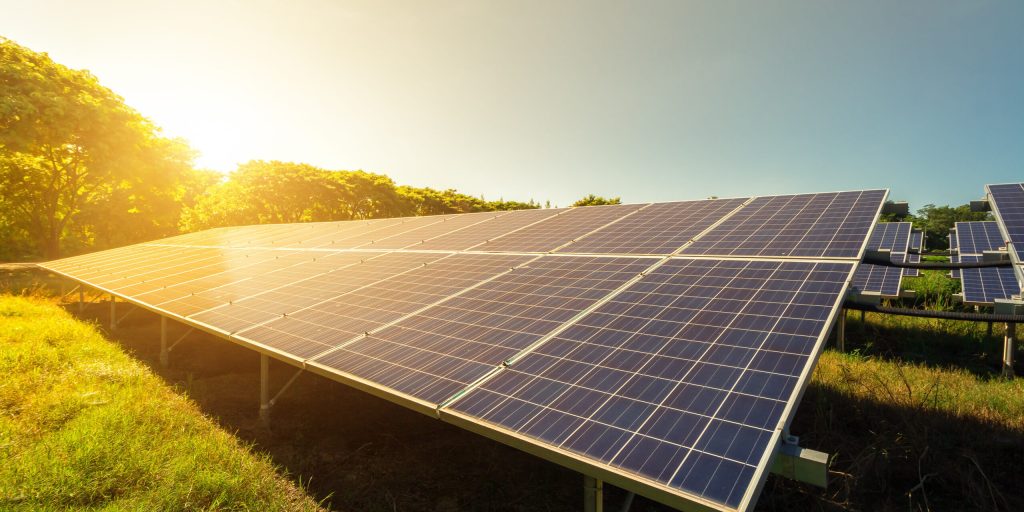
The term “solar powered home generator” gets used a few different ways. Sometimes it means a portable solar+battery unit (think Goal Zero or Bluetti). Sometimes it means a permanent home battery system paired with rooftop solar. Both are real products. This guide focuses on the permanent installations, with notes about portable options where relevant.
How Solar Generators Differ From Gas
The basic difference: solar-powered systems use solar panels + battery storage to provide backup power. Gas generators burn fuel to produce backup power. The implications:
Solar generators:
- Silent operation (no engine, no exhaust)
- No fuel needed (solar recharges battery)
- Zero ongoing maintenance
- Instant transfer (milliseconds vs 10-30 seconds for gas)
- HOA-friendly
- Indefinite runtime with adequate solar capacity
- Higher upfront cost than equivalent gas backup
Gas generators:
- Noisy operation (60-70 dB typical)
- Require fuel supply (natural gas line or propane tank)
- Annual maintenance (oil, filters, exercise cycles)
- Slower automatic transfer
- Often HOA-restricted
- Runtime limited by fuel supply
- Lower upfront cost for high-output applications
For most DFW residential outage profiles, solar generators deliver better long-term economics and a much better outage experience.
Real-World Backup Capacity
A typical permanent solar generator setup for a DFW home:
Modest configuration:
- 6-8 kW solar array
- 12-15 kWh battery
- Backs up essential loads (fridge, lights, Wi-Fi, fans) for 12-24 hours per battery cycle
- With daily solar recharging, runs essential loads indefinitely
Substantial configuration:
- 10-12 kW solar array
- 25-30 kWh battery (often dual unit)
- Whole-home backup excluding AC for 12-24 hours per cycle
- Pairs with reduced AC usage for longer runtime
Maximum configuration:
- 15+ kW solar array
- 40+ kWh battery
- Whole-home backup including AC for extended periods
- True energy independence with daily solar recharging
Sizing depends entirely on backup goals. Most DFW homeowners land in the modest-to-substantial range.
Best Brands & Models for 2026
For permanent installations, the battery brands we install most:
FranklinWH aPower 2 — Often our default recommendation. 15 kWh per unit, stackable, excellent load management.
Tesla Powerwall 3 — Strong residential option, integrated solar inverter for new installs.
Enphase IQ Battery — Best pairing with Enphase microinverter solar systems.
For portable solar generators (smaller units for partial backup or off-grid use), brands like Goal Zero, EcoFlow, Bluetti, and Jackery offer reasonable products at various capacity points. Portable units are useful for specific applications (camping, partial home backup, emergency power for medical equipment) but don’t replace permanent installations for whole-home or essential-loads backup.
DFW Install Considerations
A few DFW-specific considerations for solar generator installations:
Texas heat affects panel performance. Selecting panels with strong temperature coefficients matters — premium panels can produce significantly more in summer peaks than budget panels.
Hail rating. DFW gets occasional hail. Modern panels are rated for golf-ball-sized hail (1.75″), but verify ratings on whatever equipment is quoted.
Roof condition. Solar panels typically last 25+ years. Make sure your roof is in condition to support that lifespan, or plan to replace roof first.
Permitting. Each DFW city has its own process. Most cities turn solar permits in 2-4 weeks.
HOA compliance. Texas state law protects your right to install solar, but HOAs can require specific aesthetic considerations.
Cost & ROI vs Standby Generator
10-year cost comparison for backup power:
Solar generator (modest config):
- Upfront: $35,000-$45,000 (combined solar + battery)
- Minus 30% federal tax credit: $24,500-$31,500 net
- Annual electric bill savings: $1,500-$2,500
- 10-year cost after savings: roughly break-even or net savings
Standby gas generator:
- Upfront: $8,000-$15,000
- Annual maintenance: $300-$500
- Major service every 5 years: $1,500-$3,000
- 10-year cost: $15,000-$25,000 with no electric bill offset
The solar generator costs more upfront but typically becomes cost-equivalent or better over 10 years because of electric bill savings. After 10 years, the solar system continues producing for another 15+ years.
For homeowners who would otherwise install solar anyway, the marginal cost of adding battery storage for backup is much smaller than installing a separate generator.
Maintenance Reality Check
This is where solar generators really shine:
Solar panels: Essentially zero maintenance. Occasional cleaning if pollen or dirt accumulates noticeably. Some homeowners never clean their panels.
Batteries: Zero scheduled maintenance for the warranty period (typically 10-15 years). Software updates happen automatically.
Inverters: Generally maintenance-free. Replacement after 10-15 years for some models.
Compare to gas generator maintenance:
- Annual professional service
- Oil changes every 100 hours of run time
- Battery replacement every 3-5 years
- Filter replacements
- Exercise cycle monitoring
- Major service intervals
For homeowners who don’t want to deal with backup power maintenance, solar generators are the cleaner choice by a wide margin.
Common Concerns Addressed
“What about cloudy days?” Modern panels still produce 20-30% of rated output in heavy overcast. Battery capacity covers production gaps. Multi-day cloudy stretches can affect backup runtime but are uncommon in DFW.
“What about night?” Battery storage covers nighttime loads. With appropriately sized solar+battery, you have continuous backup capability.
“What if my battery is damaged?” Modern batteries have strong warranties (10-15 years typical) and high reliability records. Battery failure during the warranty period is unusual and covered.
“Can it handle my whole house?” Depends on sizing. Modest systems handle essential loads. Substantial systems handle whole-home excluding AC. Maximum systems handle whole-home including AC. Match sizing to goals.
Getting Started
If you’re considering a solar powered home generator for your DFW property, the smartest first step is a real consultation — including load analysis, roof assessment, and sizing for your actual goals.
We install solar+battery systems across the DFW metroplex. Reach out for an honest conversation about whether solar-powered backup makes sense for your home and what it would actually cost.