

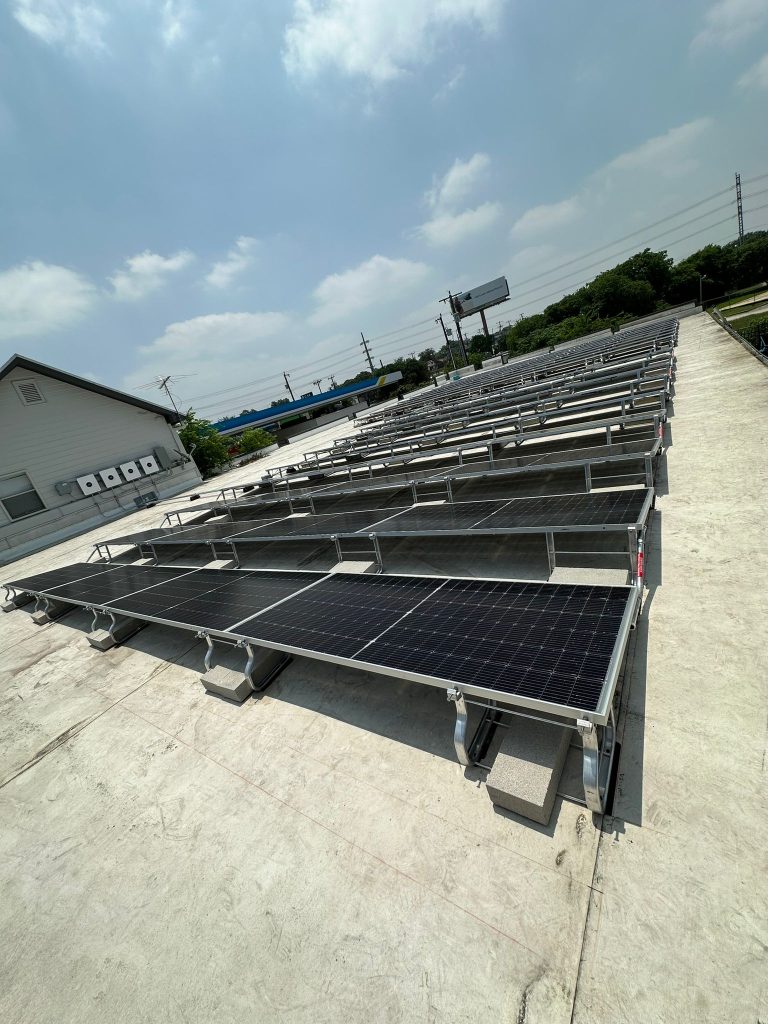
After Winter Storm Uri, the 2023 ice storms, and the various summer load events stressing ERCOT, DFW homeowners are taking backup power seriously. The question we get most often: traditional standby generator, or modern battery system? This guide gives you the honest comparison — costs, runtime, reliability, and the tradeoffs each direction.
The Real Difference Between Generators and Batteries
Both technologies provide backup power. They do it very differently.
Traditional standby generators burn fuel (natural gas or propane) to spin an engine that produces electricity. They start automatically when the grid fails, typically within 10-30 seconds of grid loss. They produce power as long as fuel is available. They make noise. They require regular maintenance. They emit exhaust.
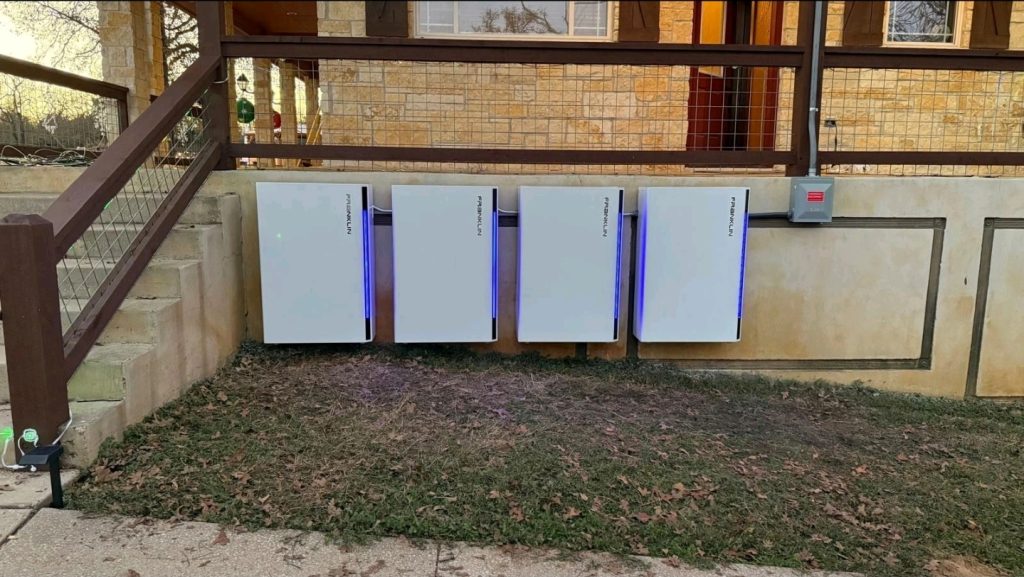
Battery backup systems store electricity in lithium-based cells and discharge it when the grid fails. Transfer happens in milliseconds (typically faster than you’d notice). They make essentially no noise. They require essentially no maintenance. They produce no emissions. They run until the battery is depleted, unless paired with solar for recharging.
Neither is universally better. The right choice depends on your specific situation.
Cost Comparison Over 10 Years
Standby generator (typical DFW residential installation):
- Upfront install: $8,000-$15,000 (depending on size and complexity)
- Annual maintenance: $300-$500
- Fuel during outages: variable, depends on usage
- Major service (every 5 years): $1,500-$3,000
- 10-year total: $15,000-$25,000
Battery backup system (12-15 kWh):
- Upfront install: $13,000-$18,000 (before any incentives)
- Annual maintenance: ~$0
- Operating cost: ~$0 (or negative if pairing with solar)
- 10-year total: roughly $13,000-$18,000 (or less with utility savings if applicable)
Battery + solar combination:
- Upfront install: $35,000-$50,000 combined (before any incentives)
- Annual electric bill savings: $1,500-$2,500
- 10-year net cost after bill savings: roughly $10,000-$35,000, depending on your usage and your retail electric provider’s buyback plan
Over 10 years, a battery-only system lands in roughly the same range as a standby generator, and solar+battery offsets part of its higher price through bill savings. Generators still win on upfront cost for high-output backup.
There’s no federal tax credit for homeowners who buy in 2026: the residential clean energy credit (§25D) ended for systems installed after December 31, 2025. Leases and power purchase agreements may still carry commercial credits that the provider claims, so ask how that shows up in your pricing, and talk to a tax professional about your situation.
Fuel vs Solar-Charged Backup
Generators need fuel. During extended outages, fuel becomes a logistics problem. Natural gas connections work if the gas grid stays up (it usually does, but not always — Uri proved this). Propane requires tank refills, and during widespread outages, propane delivery can be delayed or unavailable.
Batteries need recharging. Without solar, battery capacity is limited to what you have stored when the outage starts. With solar, the battery recharges during daylight hours, effectively giving you indefinite runtime as long as the sun comes up reasonably often.
For multi-day outages with reliable fuel access, generators have the runtime advantage. For shorter outages or solar-paired battery systems, batteries are equivalent or better.
Noise, Maintenance & HOA Rules in DFW
Noise:
- Standby generators: 60-70 dB at typical 25 feet
- Batteries: essentially silent (small cooling fans only when active)
Maintenance:
- Standby generators: annual service (oil changes, filters, battery, exercise cycle verification)
- Batteries: no scheduled maintenance over the warranty period (typically 10-15 years)
HOA considerations:
- Texas law (Property Code §202.019) generally bars HOAs from banning permanent standby generators, but HOAs can set conditions such as placement and screening
- Batteries are typically HOA-friendly (installed indoors or on walls, no fuel, no noise)
For DFW homeowners in HOA neighborhoods, batteries usually mean fewer HOA hoops — generators are allowed, but expect placement and screening rules.
Runtime Scenarios for Texas Outages
Real DFW outage patterns:
Short outages (under 6 hours): The most common. Battery systems handle these easily. Generators work but use fuel for a short outage that didn’t really need them.
Medium outages (6-24 hours): Where the choice gets interesting. 12-15 kWh batteries handle essential loads for this duration. Larger batteries handle whole-home. Generators handle anything as long as fuel is available.
Long outages (24-72 hours): Battery alone is insufficient unless oversized substantially. Battery + solar handles these well (with daily recharging). Generators handle these well with adequate fuel.
Major events (3+ days): Uri-style events. Battery + solar combinations excel if weather allows production. Generators excel with fuel access — but fuel access during major events can be unreliable.
The right configuration depends on your specific outage concerns. For DFW homes prioritizing short-and-medium outage protection, batteries win. For homes prioritizing weeks-long resilience with reliable fuel, generators win.
Which Is Right for Your Home?
Generator wins if you:
- Need 3+ day continuous backup capacity
- Have reliable fuel access (natural gas line or large propane tank)
- Don’t mind noise during outages
- Are comfortable meeting HOA placement and screening rules (if you have an HOA)
- Don’t have or plan solar
Battery wins if you:
- Want silent, automatic backup
- Outages are usually under 24 hours
- Want to skip the HOA placement and screening requirements that come with a generator
- Have or plan to add solar
- Want zero ongoing maintenance
- Value the millisecond transfer time
Both might be right if you:
- Want maximum resilience for major events
- Have the budget for both
- Want battery for everyday outages plus generator for extreme scenarios
For most DFW homeowners, modern battery systems handle the typical outage profile well. For homeowners with specific high-output, long-duration needs, generators still have a place.
Pairing Solar With Battery vs Generator
If you have or plan solar, the battery comparison improves significantly:
Solar + battery: During outages, solar recharges your battery each day. Effectively indefinite runtime (weather permitting). No fuel, no maintenance, no noise. Economic case strengthens with self-consumption value and time-of-use rate optimization.
Solar + generator: Solar produces during the day (assuming the inverter is configured to operate during grid outages, which most aren’t by default). Generator handles loads otherwise. Combination works but requires more equipment and gives up some of solar’s benefits.
For new construction or major retrofits, solar + battery generally delivers better long-term value than solar + generator.
Getting Started
If you’re evaluating backup power for your DFW home, we install both battery systems and traditional standby generators. We’re happy to walk through the real comparison for your specific situation — your home, your loads, your outage priorities, your HOA, your existing solar (if any).
The right answer depends on you. We’ll give you honest math, not a pitch for whichever option has higher margins. Reach out for a free home consultation across the DFW metroplex.
Contact Prometheus Power Solutions to schedule a consultation.
Prometheus Power Solutions · Fort Worth, TX
Ready for the next Texas outage?
Compare battery backup and standby generators for your home with a local DFW installer.
Book a Free ConsultationCall 817-523-9029
★★★★★ 5.0 on Google · Serving all of Dallas–Fort Worth