

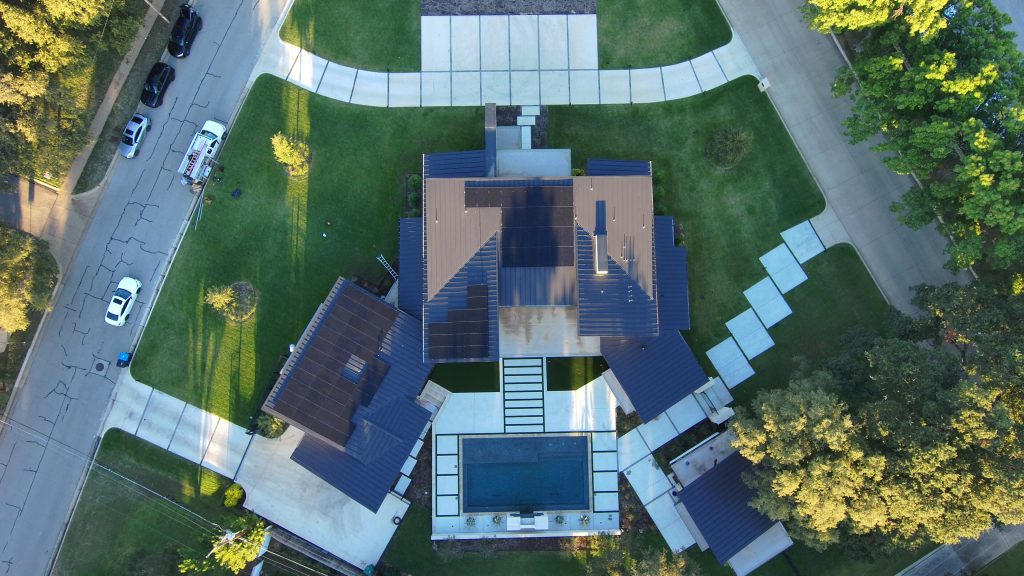
Solar panel installation in Dallas-Fort Worth usually takes 6 to 12 weeks from signed contract to a working system. The crew is typically on your roof for only 1 to 3 days. The rest of that time goes to design, city permits, HOA review, inspection and Oncor’s Permission to Operate (PTO). This guide walks through each stage so you know what is happening on your project and why.
A quick 2026 reality check before we start: the 30% federal residential solar tax credit (IRC §25D) ended for systems completed after December 31, 2025. A homeowner who buys and installs a system in late 2026 does not get that credit. What has improved: Texas has sped up home solar permitting, equipment is easy to get, and the install process is more predictable than it has ever been. Here is what that process looks like.
The Parts of a Solar Installation
A residential solar system has five main pieces, and each one gets its own step in the install:
- Panels mounted on your roof, which turn sunlight into DC electricity.
- An inverter (one string inverter near your service panel, or microinverters behind each panel) that converts DC power to the AC power your home uses.
- Racking and flashing, the hardware that attaches the array to your roof and seals each roof penetration against water.
- Wiring and conduit that carry power from the array to your electrical panel.
- Monitoring that tracks what the system produces, usually through a phone app.
Most DFW systems are grid-tied. Your home uses solar power first. When the panels make more than you need, the extra goes to the grid. At night or under heavy clouds, you pull from the grid as usual. If you add a battery, extra solar charges the battery before anything goes to the grid. That is what our battery backup systems are built for.
Step 1: Site Assessment and Design (Weeks 1–2)
Every good installation starts with your actual house, not a template. During the site assessment, the installer:
- Measures your roof and checks its age, material and condition.
- Maps shade from trees and nearby buildings across the seasons.
- Looks at your main electrical panel to see if it can take a solar connection or needs an upgrade.
- Reviews 12 months of electric bills to size the system to your real usage.
The design team then produces a panel layout, an electrical single-line diagram and a first-year production estimate. If your roof is near the end of its life, this is the time to find out. Taking panels off later to replace a roof adds real cost, so many DFW homeowners do both projects together. Our roof replacement services exist partly for that reason.
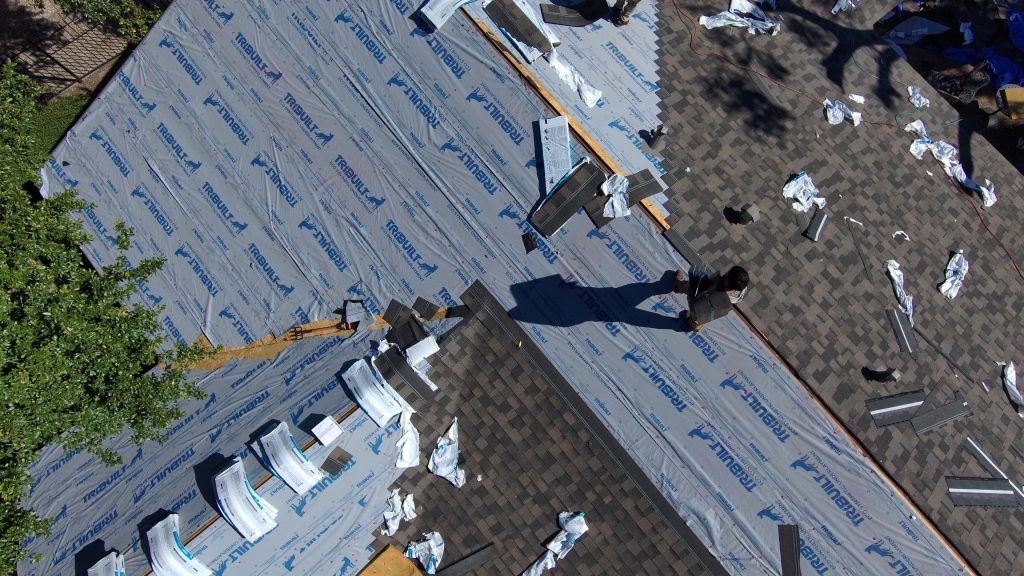
Step 2: Permits and HOA Approval (Weeks 2–4)
Each DFW city runs its own permit office. Fort Worth, Dallas, Keller, Haslet, Roanoke and the other suburbs all have their own forms, fees and inspection schedules. Most residential solar jobs need a building permit and an electrical permit.
Texas made this easier in 2025. Senate Bill 1202, in effect since September 1, 2025, lets home solar, battery and backup power projects go through qualified third-party plan review. Cities then must issue the permit by the third business day after the third-party notice. Not every project uses this route, but it has cut permit waits a lot for many homeowners.
If you live in an HOA neighborhood, there is usually an architectural review too. Texas Property Code §202.010 generally stops HOAs from banning solar. HOAs can still set some rules, such as where panels go within limits, and they can bar panels on common areas or panels that stick up above the roofline. A good installer prepares the HOA package for you and designs a layout that will pass the first time.
Step 3: Utility Interconnection Paperwork
While the city reviews permits, your installer applies to interconnect with your utility. Most of DFW is served by Oncor, the wires company that delivers power no matter which retail electric provider (REP) you choose. Oncor’s process, laid out on its solar FAQ page, goes like this: the installer applies, you sign an interconnection agreement, and Oncor issues a PTO letter once the system is approved. Equipment must meet UL 1741 and IEEE 1547 safety standards, which every reputable inverter on the market does.
If you are served by a co-op or city utility such as Denton Municipal Electric, CoServ or Tri-County Electric, the interconnection rules and buyback terms come from that utility, not Oncor. Your installer should know which one serves your address before designing anything.
Step 4: Installation Day (1–3 Days)
This is the part people picture, and it moves fast. A typical residential job goes like this:
- Day one: racking and panels. The crew sets up fall protection, finds the rafters, installs flashed mounts and rails, then sets and wires the panels.
- Day two: electrical. Conduit runs from the array to the service area. The inverter or microinverter system, disconnects and monitoring gateway go in. The system is tied into your main panel.
- Day three (if needed): Batteries, a main panel upgrade or a larger array can add a day. Battery systems like the FranklinWH energy storage systems we install are mounted and wired in the same visit when installed with solar.
Your power is usually off for a few hours while the system is tied into your panel. Expect some noise on the roof and a crew working in your garage or side yard. Cleanup and a walk-through should close out the visit.
Step 5: Inspection (About 1–2 Weeks After Install)
Your city or a qualified third-party inspector checks the install against the building and electrical codes. They look at attachments, wire management, grounding, labeling and disconnects. Once it passes, your installer sends the final paperwork to the utility.
Step 6: Permission to Operate and Meter Setup
PTO is the official go-ahead to turn the system on. It typically comes 1 to 3 weeks after you pass inspection. Two things then follow that surprise many homeowners:
- Oncor reprograms your meter to record power going out to the grid, about three weeks after PTO.
- Your export data reaches your REP about 30 to 60 days after PTO. That is when buyback credits start showing on your bill, if your plan includes buyback.
Texas has no statewide net metering law. What you are paid for exported solar depends entirely on your REP plan. Check the plan’s Electricity Facts Label (EFL) on PowerToChoose.org before or right after you go live. Picking the right plan can matter almost as much as picking the right panels.
What It Costs to Install (Quick Snapshot)
EnergySage data for Fort Worth in mid-2026 puts the average installed price around $2.19 per watt. That works out to about $28,500 for a 13 kW system before any incentives. Smaller systems cost less in total but often more per watt. Because the homeowner tax credit is gone, that sticker price is close to what a cash or loan buyer will actually pay. Leases and power purchase agreements (PPAs) work differently: the leasing company may still claim a commercial credit, so ask how that shows up in your monthly price. For tax questions, talk to a tax professional.
One incentive that is still in place: under Texas Tax Code §11.27, the added home value from a solar system is exempt from property tax. You claim it by filing Form 50-123 with your county appraisal district.
Signs Your Install Is Being Done Right
- You got a written design with your exact panel and inverter models before install day.
- Roof penetrations are flashed, not just sealed with caulk.
- Conduit runs are neat and placed to fit your HOA’s rules.
- Labels and disconnects are in place before the inspector arrives.
- Someone tells you when PTO lands and helps you set up monitoring.
If you want to see what this process would look like on your roof, reach out to Prometheus Power Solutions for a site assessment with straight numbers for your home.
Prometheus Power Solutions · Fort Worth, TX
See what solar would actually save your home
Get straight answers on cost, production and payback for your roof — from a local Fort Worth team.
Book a Free ConsultationCall 817-523-9029
★★★★★ 5.0 on Google · Serving all of Dallas–Fort Worth
Frequently Asked Questions
How long does solar panel installation take in DFW?
The work on your roof usually takes 1 to 3 days. The full project, from signed contract to Permission to Operate from Oncor, typically takes 6 to 12 weeks, mostly for design, permits, inspection and utility approval.
Is the 30% federal solar tax credit still available in 2026?
No. The residential credit under IRC §25D ended for systems completed after December 31, 2025, so homeowners who buy and install in 2026 do not get it. Leases and PPAs may carry commercial credits claimed by the provider, so ask how that affects pricing and confirm details with a tax professional.
Can my HOA stop me from installing solar panels in Texas?
Generally no. Texas Property Code §202.010 limits an HOA’s ability to ban solar, though it can set some rules, such as where panels go within limits, and can bar devices on common areas or above the roofline.
When will I start getting credit for solar I send to the grid?
On Oncor’s system, the meter is reprogrammed about three weeks after Permission to Operate, and export data reaches your retail electric provider 30 to 60 days after PTO. What you are paid depends on your REP plan’s buyback terms.